Related Blogs
Vestibulum liberi rutrum a dui ac, porttitor blandit usce lectus mi, ultricies suscipit ligula

(Right Across From Hackensack Middle School)
We will be closed on July 4 and 5th, 2025, in observance of Independence Day. Normal operations will resume on July 7th.

Tooth pain can start small. You feel a twinge with cold water or a throb at night. You hope it fades. You want a calm, clear plan before it grows. This guide gives you straight talk, simple steps, and real timelines. If you need urgent care, ask about tooth extractions in Hackensack, NJ, so you can stop the spread and protect your health.
Pain usually starts with irritation inside the tooth or around the gums. Bacteria feed on sugars and make acids. Those acids weaken enamel and slip into softer layers. A deep cavity forms. Cracks, worn fillings, and grinding also open doors for pain. Gum infection can do the same. You feel the message your body sends: help this tooth now.
You can sort common triggers with a few clues:
You control several early steps. Brush two times a day. Floss once a day. Rinse with water after snacks. Keep sugar for mealtimes. Call a dental office when pain lasts more than a day or two. Your fast move keeps the fix small.
A small ache can turn serious. You can spot the change when you know the warning signs. Act when you see any of these:
These signs mean bacteria moved beyond a simple cavity. The infection can push into the bone and nearby spaces. Your body fights hard, but the area needs help. You protect your airway, your heart, and your overall health when you seek care now.
Delay turns a small fix into a big one. Bacteria spread from the tooth center to the root tip. Pressure builds. The bone around the tooth starts to break down. You feel deep, steady pain. Swelling rises. You might need urgent care at night or on a weekend.
The infection can also travel. It can reach the face, the neck, or the sinus. In rare cases, it can affect breathing or spread through the bloodstream. You never plan for that, which is why quick action matters. A timely root canal or a simple removal can stop the chain and protect your health.
Costs also rise with delay. A small filling costs less than a crown. A root canal and crown cost more than a filling. A complex infection can require imaging, medicines, and extra visits. You save time, money, and tooth structure when you act early.
You also guard your peace of mind. Constant pain drains energy and focus. Good sleep slips away. Meals lose joy. When you fix the tooth, you reclaim your routine.
Your dentist starts with a careful talk. You share your pain story, health history, and any medicines you take. Your dentist checks each tooth, your bite, and your gums. Gentle taps and temperature tests help locate the source. You and your dentist look at images together so you see what happens inside.
You can also book a prompt visit with a dentist in Hackensack, NJ when swelling, fever, or lingering pain shows up. Local care helps you move fast, get images right away, and choose the safest first step for your case.
Teams use simple tools to spot bone changes:
You get results in plain words, and your dentist explains what the images show and what that means for your next step. You leave with a clear plan, not guesses.
You can lower risk with steady habits and smart choices. Small steps matter when you repeat them.
Daily basics:
Smart food choices:
Do not wait on tooth pain. Small problems grow fast. You can stop the spread, save bone, and protect your health with quick care. If you want calm guidance and a same-day plan, reach out to Dental Studio 101 – Hackensack, NJ. You will get clear steps and caring support from start to finish so you return to eating, sleeping, and smiling with ease.
Vestibulum liberi rutrum a dui ac, porttitor blandit usce lectus mi, ultricies suscipit ligula

A knocked-out (avulsed) tooth is one of the most serious dental emergencies, and every minute counts. Acting fast and correctly...
Read More >>
That sharp jolt that shoots through your mouth after a gulp of chilled water can ruin an otherwise refreshing moment....
Read More >>
Introduction A gap between your front teeth might seem small, but to many, it feels like a big deal. Whether...
Read More >>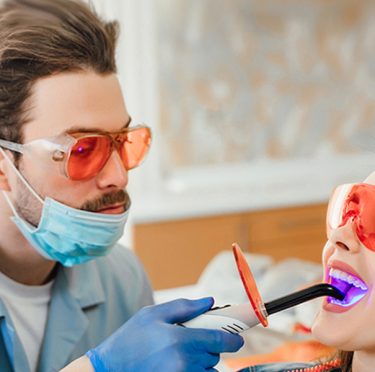
A confident smile can open doors, but deep stains on your teeth can hold you back. If brushing isn’t helping...
Read More >>
Dr. Sealah Lee is the owner and lead dentist at Dental Studio 101 in Hackensack, NJ. A graduate of NYU College of Dentistry and a member of the Omicron Kappa Upsilon honor society, she combines academic excellence with advanced training in implants, endodontics, and laser dentistry. Known for her compassionate care and commitment to modern techniques, Dr. Lee provides personalized treatment for patients of all ages.
Learn more about Dr. Sealah Lee →